Best ski resorts for those visiting Japan for the first time
When you think of skiing in Japan, the big names—Hakuba, Niseko, Nozawa Onsen, and Myoko—inevitably come to mind. While they’re popular for a reason, that fame brings bigger crowds, heftier price tags, and long travel times from Tokyo. As someone who has skied at over 30 resorts across the country, I want to show you a different side of Japan's ski scene. This guide highlights fantastic, lesser-known resorts that are just a short trip from Tokyo, allowing you to easily add a few days of incredible skiing to your Japan holiday without losing a full day to travel or dedicating your entire trip to the slopes. Whether you’re after a beginner-friendly spot, pristine powder, or a charming local vibe, you’ll discover that Japan’s best skiing can be both accessible and affordable.
Note: All information is as of the 2025/26 ski season.
Best for Beginners: Palcall Tsumagoi
Where: Gunma Prefecture
Why It’s Great
Palcall Tsumagoi is known for its gently rolling slopes and well-groomed pistes, making it a fantastic spot for first-timers and anyone still finding their ski legs. It’s in Gunma so it’s an easy trip from Tokyo, but it still feels like you’re properly “in the mountains.”
What I really like here is how stress-free it is for beginners: there’s only one black run, so you’re unlikely to accidentally end up somewhere you can’t handle. And because the gondola takes you to the top, you can avoid chairlifts entirely if that’s something you’re nervous about.
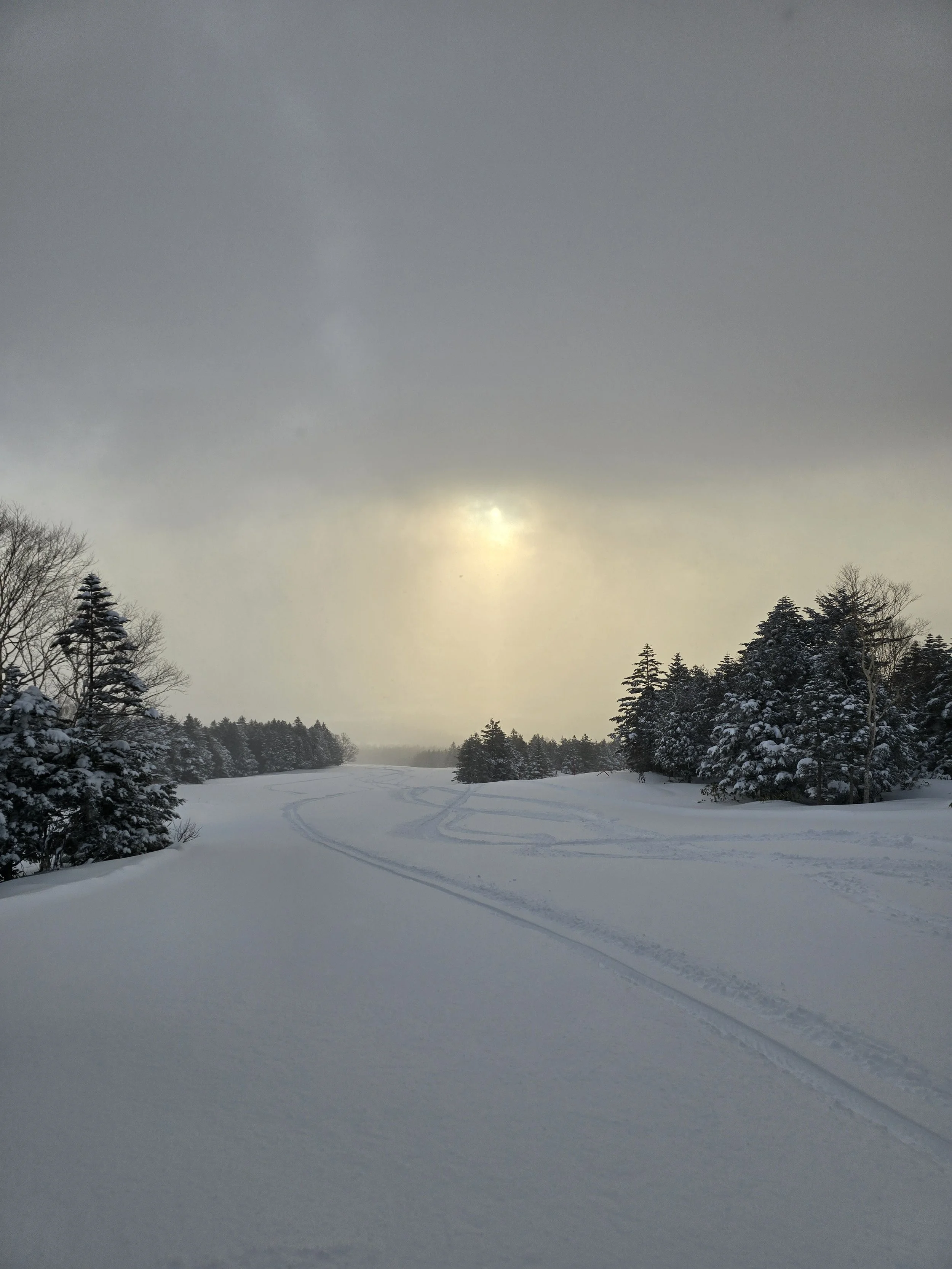
It’s also surprisingly fun even once you’re past total beginner level: the long sweeping groomers are super relaxing, and when the powder drops, there are some tree runs you can access. They’ve also added one of the biggest terrain parks in Japan recently, so there’s a bit of everything.
If you stay at the resort hotel, the “on-site” experience is dead simple — you can basically make it all-inclusive:
Ski pass
Breakfast/dinner
Ski rental
Ski lessons
(excluding lunch)
Palcall is genuinely where I’d bring my friends for their first ski trip because it just requires the least effort.
Highlights
Beginner-friendly runs where you can practise at your own pace
Free ski lessons (if you stay at the resort hotel)
Spacious feel (for Gunma standards) and not as chaotic as the big-name resorts
Easy day trip option to Kusatsu Onsen via shuttle (highly recommend)
Dog Area! Look out for Yoko and Yama, the local dogs, their super friendly and love to play!
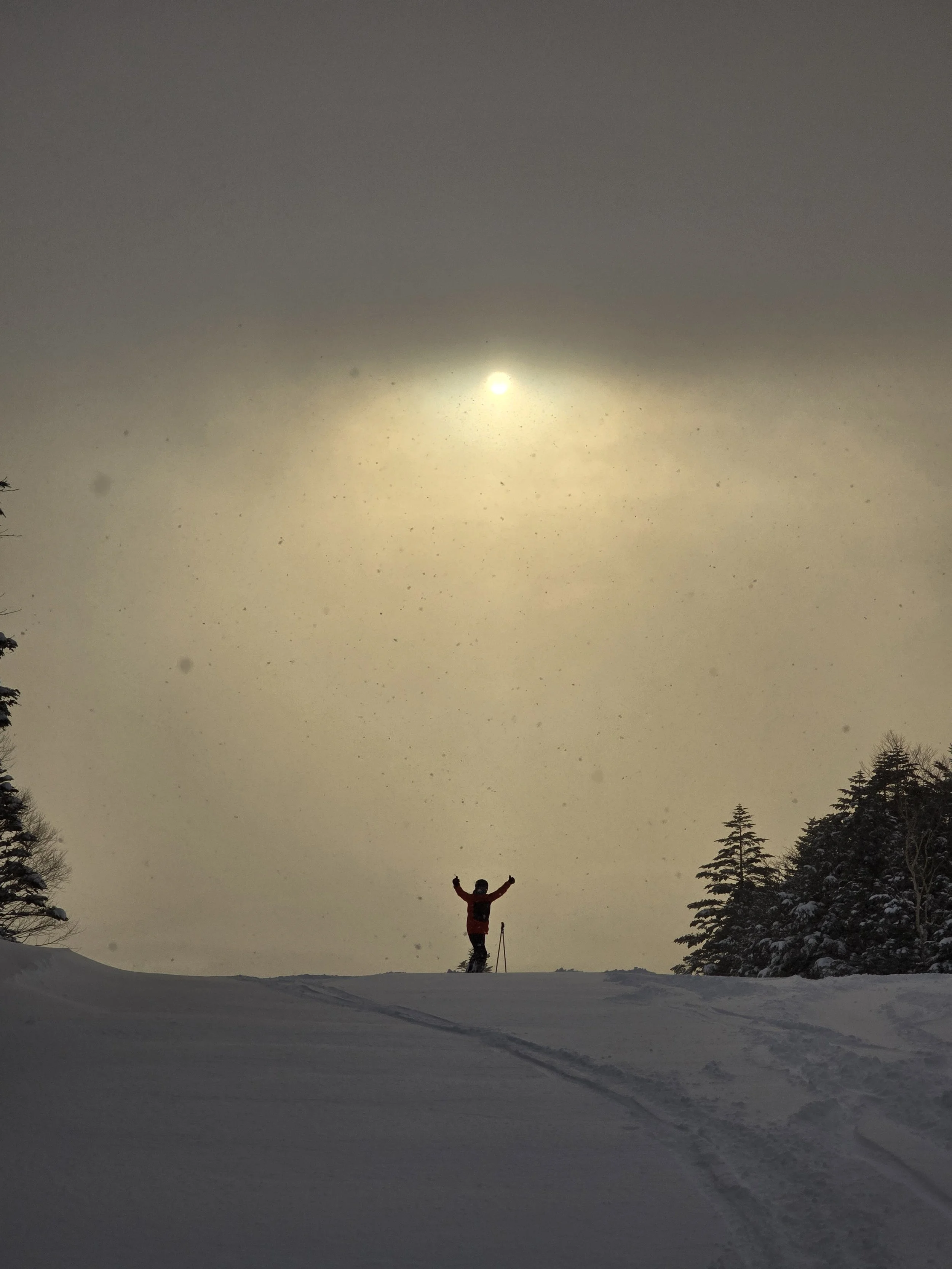
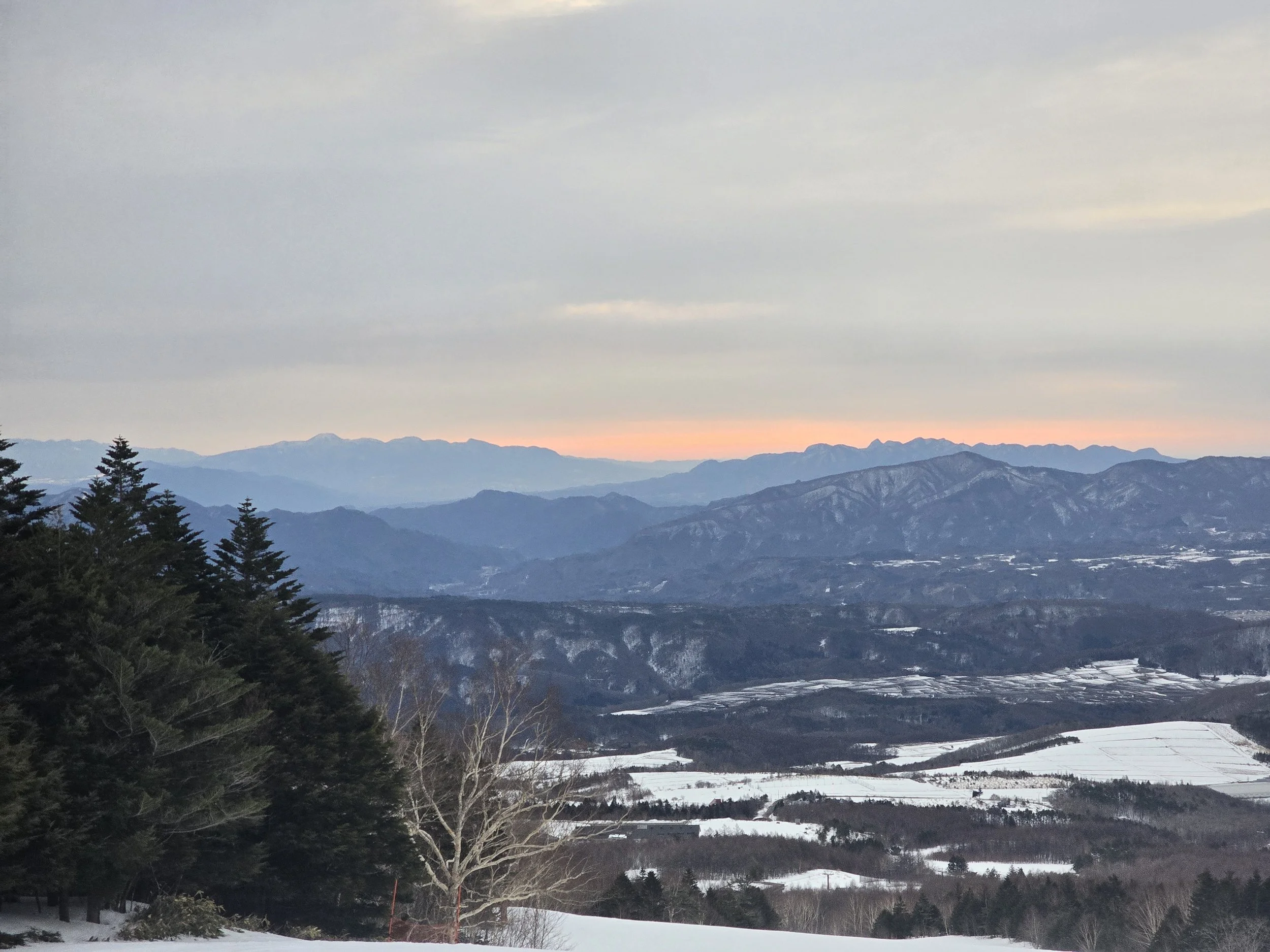
Sunrise Gondola, want to ski while watching the sunrise? You can at Palcall. Wake up early at 6 am!
Resort Stats
4 lifts total, including one of Japan’s longest gondolas (3.2km)
22 courses (wide, gentle, confidence-building terrain)
Costs & Access
Lift Tickets: Adult 1-day is ¥6,500 (on-site regular price). (パルコール嬬恋リゾート) but the price can be as low as ¥3,500 if packaged
Food: Expect ~¥1,500–¥2,500 for a typical mountain lunch (ramen/curry + drink).
Getting There
From Tokyo Station (or Ueno/Omiya), take the Hokuriku Shinkansen to Karuizawa Station, then the Palcall shuttle bus to the resort (book ahead if staying at the Palcall Resort Hotel). Total travel time is about 2 hours.
Hotel Recommendation: Stay at the resort hotel for ski-in/ski-out convenience, free lessons, and shuttle support.
Best for Powder: Madarao
Where: Border of Nagano and Niigata Prefectures
Why It’s Great
If you live for deep powder days, Madarao should be high on your list. It sits between Myoko Kogen and Nozawa Onsen and gets consistent snowfall — people call it “Madapow” for a reason. The big deal here is that the resort actively encourages tree skiing, which isn’t always the case in Japan.
I’ve personally skied here for 10 years (so yes, I’m biased), but on a powder day it’s hard to beat. Lift 13 and Powderwave are my personal favourites. The resort has some genuinely steep, fun lines when it’s firing. Unforetnly when there is not a huge dump of snow, the short, steep runs of the resort can fall short of others here.
One honest downside: late season (especially March) can be hard to recommend if you want long groomers. A lot of the on-piste skiing is short/steep, and it’s not really a “cruisy” mountain compared to places like Shiga Kogen or Palcall.
Highlights
Consistent snowfall and a strong powder culture
Tree runs + side-country feel without the Hakuba chaos
Usually less crowded than the biggest resorts
Resort Stats
31 official courses, with a big focus on ungroomed terrain
Costs & Access
Lift Tickets: Adult 1-day is ¥8,500. (THE MADARAO)
Food: Usually ~¥1,500–¥2,500 for lunch on the mountain.
Accommodation (February): Expect ~¥20,000–¥45,000 per night for 2 adults in peak Feb (with plenty of exceptions).
Cheap-ish option: Lodge Oakland — around ¥13,190/night
Average-ish option: Active Life Madarao — around ¥36,917/night
Expensive option: The Address Akakura — around ¥62,000/night
Getting There
From Tokyo Station, take the Hokuriku Shinkansen to Iiyama Station, then a shuttle bus to Madarao Kogen (about 30 minutes).
Best for a Long Trip: Shiga Kogen
Where: Nagano Prefecture
Why It’s Great
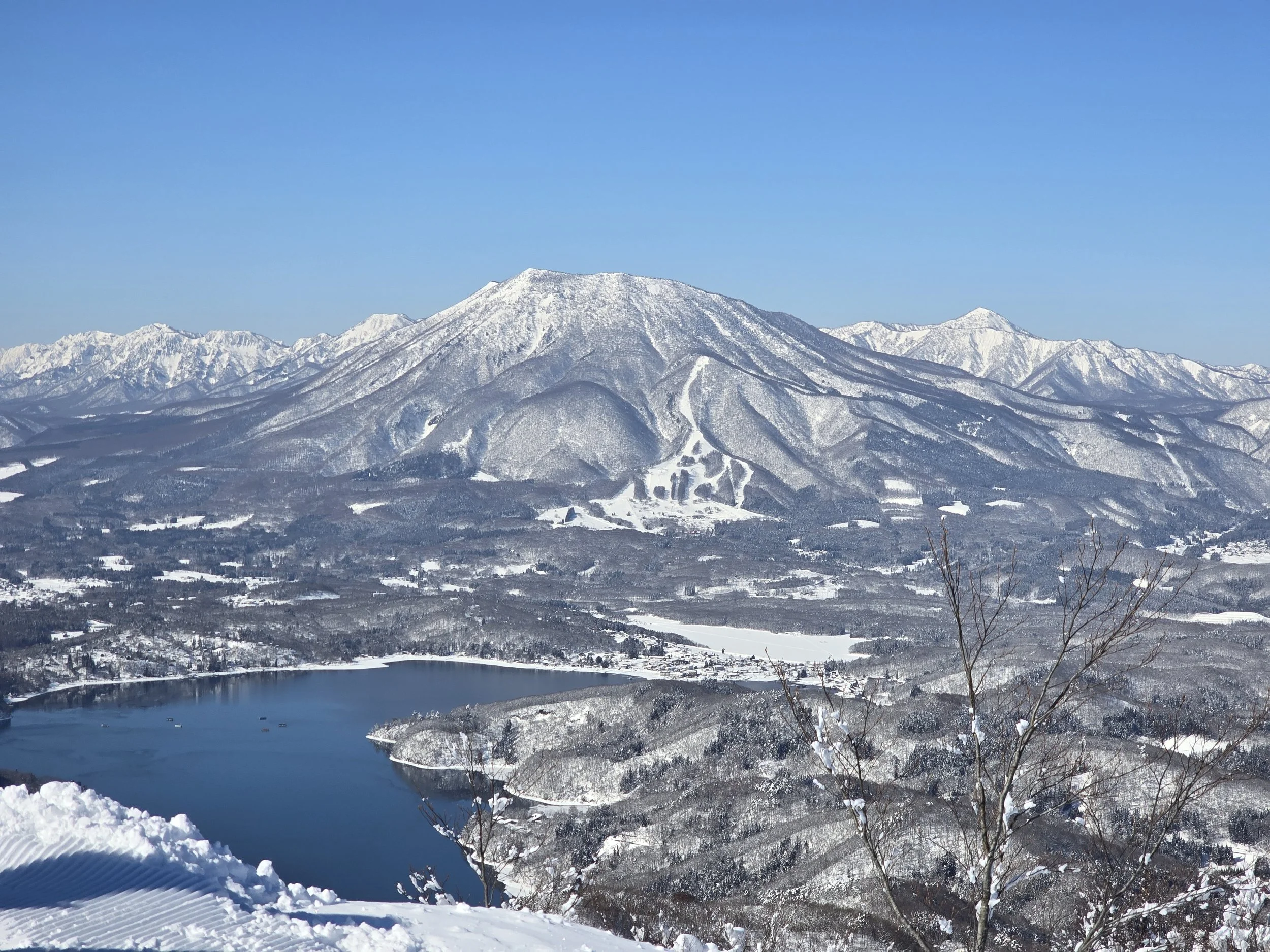
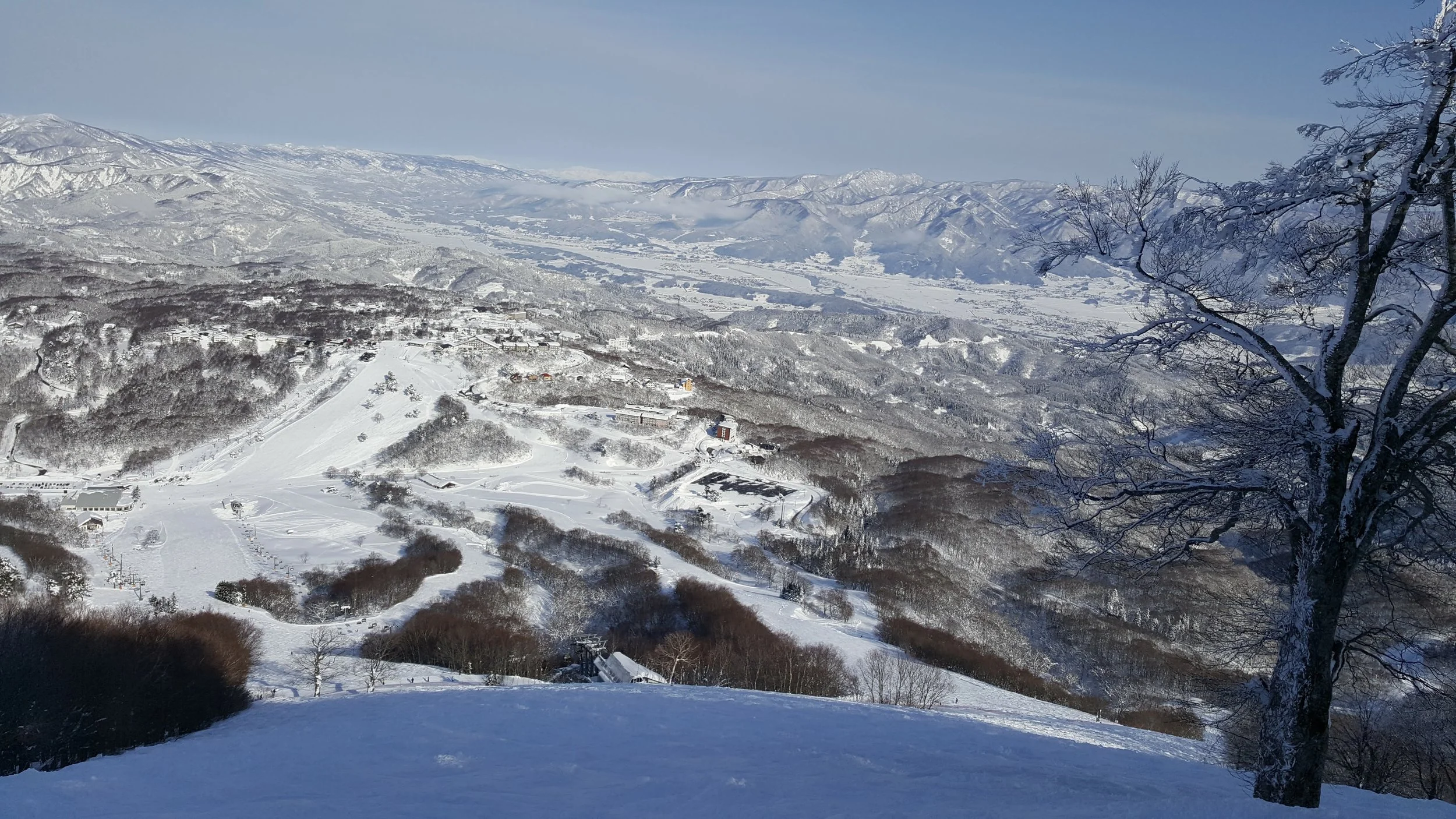
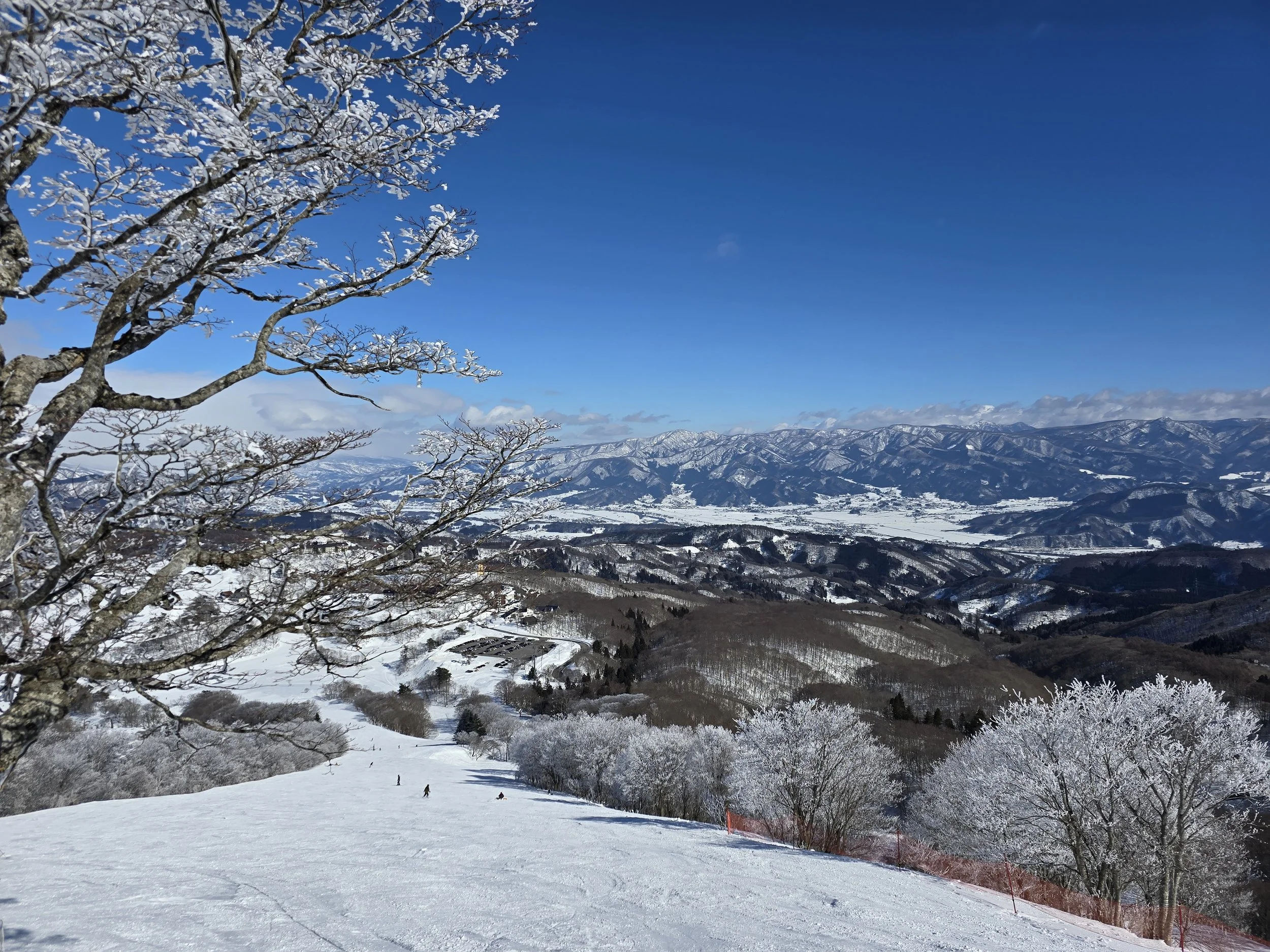
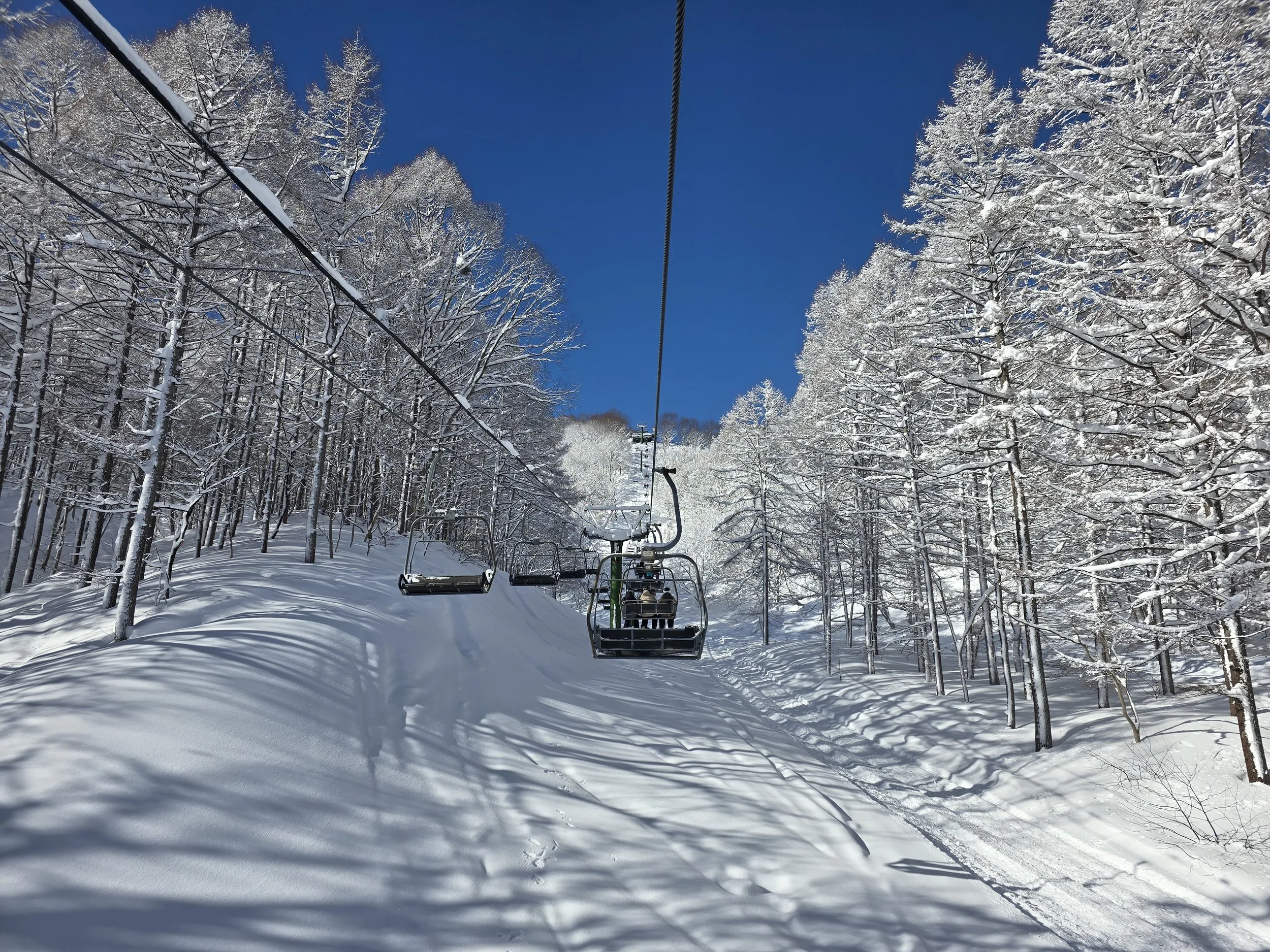
Shiga Kogen is the place I recommend when you want a proper ski trip — the kind where you can ski for days (or weeks) and not get bored. It’s one of Japan’s biggest ski complexes, made up of 18 ski areas, and it’s spread across high-elevation terrain (great snow quality, long season). (志賀高原 SHIGA KOGEN MOUNTAIN RESORT)
What makes Shiga different is variety: you can do groomers all day, hunt for powder stashes, or bounce between areas depending on weather and crowds. Okushiga/Yakebitai is a great “escape zone” because fewer people push all the way out there, so it can stay nicer for longer.
One thing to know: Shiga is huge, so it’s worth thinking about where you’ll base yourself. If you stay central (like Ichinose area), it’s easier to fan out across the mountain. Also, the different areas are connected functionally — including by shuttle bus, which makes moving around way easier than it sounds on paper. (志賀高原 SHIGA KOGEN MOUNTAIN RESORT)
Highlights
18 areas on one lift pass, and terrain for every level (志賀高原 SHIGA KOGEN MOUNTAIN RESORT)
High elevation and a long season (often mid-Nov into spring) (志賀高原 SHIGA KOGEN MOUNTAIN RESORT)
Easy rest day: Jigokudani Snow Monkey Park nearby
Resort Stats
Officially: 48 lifts/gondolas, top elevation around 2,307m, and areas connected by shuttle bus (志賀高原 SHIGA KOGEN MOUNTAIN RESORT)
Costs & Access
Lift Tickets: Adult 1-day all-mountain pass is ¥9,000. (志賀高原 SHIGA KOGEN MOUNTAIN RESORT) Pre-Purchasing your tickets can save around ¥1,000 a day.
Food: Similar cafeteria pricing across the complex — budget ~¥1,500–¥2,500 for lunch (ramen, curry, katsu sets).
Accommodation (February): Expect ~¥25,000–¥60,000+ per night for 2 adults in Feb, depending on whether you’re slope-side vs. in the wider Yamanouchi / Shibu Onsen area.
Cheap-ish option: Expedia shows options from ~¥11,915/night
Average-ish option: Shiga Kogen Prince Hotel — ~¥33,972/night
Expensive option: Kanbayashi Hotel Senjukaku — ~¥171,057/night
Getting There
From Tokyo Station, take the Hokuriku Shinkansen to Nagano Station, then the Nagaden Express Bus direct to Shiga Kogen (about 70–90 minutes).
Quick tip: Because it’s so big, plan a “direction” for the day (e.g., start central → work toward Okushiga → return early). Lifts don’t all close at the exact same time. (Go Nagano)
Best for a Town Vibe: Yuzawa (Kagura / Naeba + the whole area)
Where: Niigata Prefecture
Why It’s Great
Yuzawa is basically the “gateway to snow country” for people coming from Tokyo. It’s ridiculously easy: you jump on the Joetsu Shinkansen and you’re in Echigo-Yuzawa in about an hour-ish. Then you’ve got a whole menu of resorts nearby — plus a real town with restaurants, bars, and onsen.
For me, the “main character” resort here is Kagura: great snow, a long season, and a layout that works for both progression days and powder days. There’s a local bus from the station, and it’s also one of the easier places to access off-piste terrain legally via gates.
The trade-off is crowds. Because it’s close to Tokyo (and heavily marketed), peak periods like New Year can get hectic. Outside of those windows, it’s usually totally manageable.
What to Ski (quick, practical breakdown)
Kagura: long season, good variety, solid powder options, and backcountry gates (beacon required for some access). (Seibu Prince Hotels & Resorts)
Naeba: bigger resort vibes + the Dragondola connection period; can be busy but fun. (Seibu Prince Hotels & Resorts)
GALA Yuzawa: absurdly convenient day trip — you can arrive directly at GALA Yuzawa Station connected to the resort. (Klook Travel)
Other nearby options: Iwappara, Kandatsu, Yuzawa Nakazato, Maiko, Yuzawa Park, Naspa, etc. (Snow Country Instructors)
If you want to bounce between resorts, there’s even a linked pass option (Yuzawa Kogen + GALA + Ishiuchi Maruyama). (yuzawasnowlink.com)
Town / Rest-Day Bonus (this is why Yuzawa is elite)
If you’ve never done it: Ponshukan inside Echigo-Yuzawa Station is the perfect rest-day (or post-ski) activity — you can taste a huge range of Niigata sake for ¥500. (ぽんしゅ館)
It’s the kind of thing that makes Yuzawa feel like more than “just” a ski base.
Highlights
Super close to Tokyo — easy weekend trips
Proper town energy + lots of food options
Kagura is a personal favourite for snow + season length
Resort Stats (Kagura)
32 courses across Kagura/Mitsumata/Tashiro areas
Costs & Access
Lift Tickets (Kagura): Adult 1-day is ¥7,500. (Seibu Prince Hotels & Resorts)
Lift Tickets (Naeba): Naeba Area 1-day is ¥7,800; Mt. Naeba 1-day (Naeba + Kagura) is ¥9,800. (Seibu Prince Hotels & Resorts)
Food: On-mountain lunch is usually ~¥1,500–¥2,500, but the town has everything from cheap sets to proper izakaya dinners.
Accommodation (February): Expect ~¥18,000–¥40,000 per night for 2 adults in Feb, with budget options a bit outside the “perfect location” hotels.
Cheap-ish option: Expedia shows Yuzawa hotels from ~¥11,963/night
Average-ish option: Belle Vue Nishiura — from ~¥14,880/night
Expensive option: Livemax Resort Echigo Yuzawa — ~¥41,127/night
Getting There
From Tokyo Station, take the Joetsu Shinkansen to Echigo-Yuzawa Station. For Kagura, take the local bus from the station to Mitsumata/Tashiro ropeway areas (about 20–30 minutes).
Safety note (quick but important): If you’re going through official backcountry gates at Kagura, some access systems require you to register and have a working avalanche beacon. (powderhounds.com)
A Small Resort with Big Snow: Seki Onsen
Where: Niigata Prefecture (near Myoko Kogen)
Why It’s Great
Seki Onsen is for people who want something more old-school and a bit more wild. It’s a small resort, but it gets hammered with snow in the Myoko region — the kind of place where you can find deep lines even when bigger resorts are tracked out.
This is not the place you go for perfect grooming and endless facilities. It’s more like: two lifts, steep terrain, fewer crowds, and a very “local Japan” vibe. If you’re a powder hound who doesn’t mind a simpler setup (and you’re comfortable on steeper terrain), it’s a really fun day.
Highlights
Heavy snowfall and real powder vibes
Minimal crowds
Feels retro / authentic (in a good way)
Resort Stats
Only a couple of lifts — small trail map, but the appeal is steep + ungroomed feel
Costs & Access
Lift Tickets: Adult 1-day is ¥4,500. (sekionsen.jp)
Food: Limited options (usually a base-area spot). Budget ~¥1,200–¥2,000.
Accommodation (February): Expect ~¥15,000–¥45,000 per night for 2 adults in Feb if you stay around Seki/Myoko (small area, fewer choices, prices swing hard).
Cheap-ish option: Hotel Route-Inn Myoko Arai — ~¥15,222/night
Average-ish option: Komatsuya Seki Onsen — ~¥39,309/night
Expensive option: The Address Akakura — ~¥62,000/night
Getting There
This one is a bit trickier. Take the Hokuriku Shinkansen to Joetsu-Myoko Station, then a bus or taxi toward Seki Onsen (buses can be infrequent, so check schedules in advance).
Honourable Mention: Zao Onsen
Where: Yamagata Prefecture
Why It’s Great
Zao is famous for the “Snow Monsters” (juhyo) — trees coated in thick rime ice that make the mountain look surreal. Skiing through that landscape is genuinely bucket-list.
It’s a little more out of the way than the others, but that can be a good thing: fewer people, and on a powder day you can get more laps in before things get tracked out. The onsen are also amazing — but if you’ve got sensitive skin, just note they can be quite sulphur-heavy.
Also please note if you’re a snow boarder on heavy powder days, the Renaku Course can be quite hard to traverse if they do not groom it in time or if there is heavy snowfall after grooming and can be quite a walk.
Highlights
Snow Monsters + night illumination tours
Great mix of cruisy runs and scenic vibes
Strong onsen town atmosphere
Costs & Access
Lift Tickets: Adult 1-day is ¥7,500 in regular season. (VISIT YAMAGATA)
Food: Standard resort lunch pricing ~¥1,500–¥2,500, plus plenty of town options.
Accommodation (February): Expect ~¥20,000–¥65,000+ total per night, depending on pension vs ryokan vs high-end stays (Zao has a huge spread).
Cheap-ish option: Pension Komorebi — JPY 15,000+ total price
Average-ish option: MATSUKANEYA ANNEX — JPY 37,400+ total price
Expensive option: ZAO Uta-no-yado WAKAMATSUYA — JPY 100,100+ total price
Getting There
From Tokyo Station, take the Yamagata Shinkansen to Yamagata Station, then bus to Zao Onsen (around 40 minutes).
Final Tips:
Thanks for reading to the end! For that here are some final tips that I recommend.
If you are taking ski gear, you can use Yamamoto Transport to ship your gear to your hotel when you arrive at the airport (pricing here). If you do it from the airport, it’s ¥660 extra as an “Airport Fee” so if you’re spending time in Tokyo and willing to save that much,h then take it to the Yamamoto Transport near your hotel.
Japanese Public transport is incredibly on time and will not wait. Do not miss buses and give yourself more time than you think in snow country.
